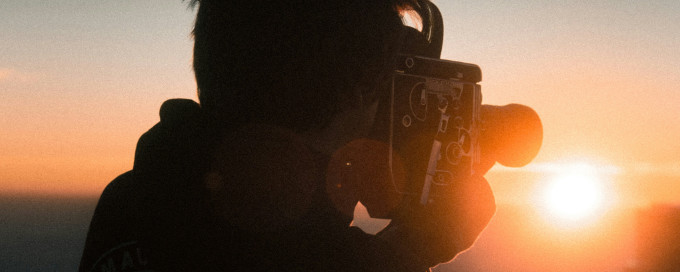
I've been in cameras and film production for over 20 years now. In that time I've been part of many kinds of projects — indie art films, big TV productions, commercials, music videos, documentaries. This industry is wildly diverse.
I started back when we drew storyboards on paper, shot on miniDV tapes, and everything was, let's say, a bit analog.
Things evolved over time, and with the rise of mirrorless cameras, filmmaking became far more accessible. It was no longer reserved just for big studios; alongside traditional heavy cinema setups, smaller and more affordable indie rigs took center stage for a new generation of filmmakers.
I think we're living in an absolutely amazing time for filmmaking. The only thing holding you back today is your ability to tell a good story. Technically speaking, you can grab a phone and go shoot your first film.
Alongside the growth of video production, dedicated apps popped up to solve various set challenges. But somewhere along the way, subscription models took over. Instead of owning your tools, you're constantly renting them — which quickly becomes a burden when you’re running a tight indie budget.
At the same time, most of these tools are online, web-app based, which in the field is often impractical or flat-out unusable. Then there are apps that solve one specific thing — a DoF calculator, say. So if you're dealing with more than one problem, you need a bunch of different apps on your phone.
At a certain point, I just got tired of jumping through those hoops.
So I started playing with the idea of building my own app — one that would actually solve the things I needed on set. In the early days I tried different paths — React, Next.js, that kind of thing. In the end, I landed on Swift and native iOS.
Bit by bit I started building the tools I needed for work, all bundled into one app: Time to Seconds, DoF Calculator, Aspect Ratio Converter, and so on.
A colleague and I were doing a lot of livestream events around that time, and there was always a mountain of gear to pack and haul. We were managing it through Google reminders, but at some point I thought — why not build this straight into the app?
That way, you have total flexibility over your inventory. You can build custom setups tailored to specific shoots, combine gear as needed, and simply check items off as you pack.
It hit me that an "all-in-one kit" like that might not be a bad idea at all. Offline, fast, doing exactly what a filmmaker needs and nothing else.
So I kept expanding it.
While quick utilities like the DoF calculator stayed standalone, I started grouping project-specific features together. That’s how Projects were born — a single hub connecting shot lists, packing lists, and budgets for a specific shoot to create a complete production kit.
The huge advantage of having everything in one app is that the different tools can actually talk to each other. Inventory with shooting days. Shot list with budgets. The whole thing can run on its own logic that speeds up and simplifies the work.
I know, there are similar tools out there. Most of them, though, are built for big productions, complex feature sets, and — above all — paywalls.
I have no ambition to compete with platforms like StudioBinder or similar solutions. Quite the opposite. With this app, I want to focus on smaller independent creators who want to organize their shoots professionally without needing a big production team or an expensive monthly subscription.
Good organization is the foundation of a successful project.
And maybe that's exactly why Filmari came to be. Not to replace big production systems, but to give individuals and small teams the tools to focus more on the actual creative work and less on the chaos around it.
Because in the end, every film starts the same way — someone has an idea and wants to get it out of their head and into reality.
Comments